

Workers’ Comp for Motor Vehicle Accidents in Pennsylvania
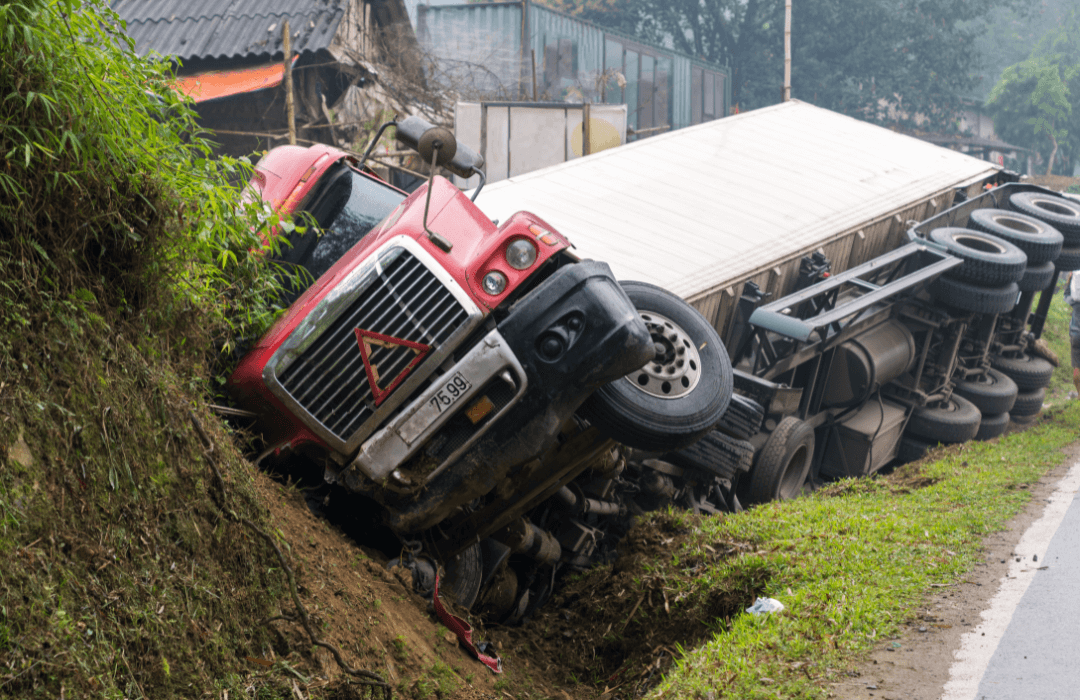
Workers’ compensation may cover injuries from a motor vehicle accident if the crash occurred while you were performing work-related duties. Whether you were driving a company vehicle, using your personal vehicle for work tasks, or traveling between job sites, eligibility often depends on whether you were acting within the course and scope of your employment at the time of the accident.
Motor vehicle accidents are one of the most common causes of workplace injuries in Pennsylvania. Employees who drive as part of their job duties face the risk of serious injuries every day, whether they are operating a company vehicle, a commercial truck, or even their own personal vehicle for work purposes.
If you are injured in a work-related car accident, you may be entitled to Pennsylvania workers’ compensation benefits. These benefits can include payment of medical expenses, wage-loss benefits, and other compensation related to your injury.
Whether your accident is covered often depends on what you were doing at the time of the crash and whether the accident occurred while performing work-related duties.
Course and Scope of Employment in Car Accident Claims
One of the most important questions in any workers’ compensation car accident claim is whether you were acting within the course and scope of your employment when the accident occurred.
Determining whether an employee was acting within the course and scope of employment can be complicated. Generally, workers’ compensation may apply if the employee was performing duties that benefited the employer at the time of the accident.
Common examples include:
- Driving a company vehicle for work
- Traveling between job sites
- Transporting coworkers
- Attending a work-related event
- Traveling to meet clients or customers
- Making deliveries
- Running errands on behalf of an employer
- Picking up supplies, food, or other items for work
Workers may also qualify for benefits while driving a personal vehicle if the travel was required as part of their job duties.
When a Work-Related Car Accident May Not Be Covered
Not every motor vehicle accident qualifies for workers’ compensation benefits.
Certain situations may make an injured worker ineligible for coverage. For example, injuries may not be covered if the employee was:
- Commuting to or from work under normal circumstances
- Running a purely personal errand
- Engaged in illegal activity
- Intoxicated and responsible for causing the accident
- Acting outside the scope of their employment
The facts of each case matter. Even if an employer or insurance company claims your accident is not work-related, it is important to speak with an experienced Pennsylvania workers’ compensation attorney to determine whether exceptions may apply.
Workers Without a Fixed Job Location
Some employees do not have a traditional workplace or fixed job site.
Traveling employees are often treated differently under Pennsylvania workers’ compensation law. Employees who regularly travel as part of their job duties may be covered while driving to and from various work locations.
Examples include:
- Delivery drivers
- Truck drivers
- Home health aides
- Construction workers
- Sales representatives
- Field service technicians
- Mobile repair professionals
Similarly, some work-from-home employees who occasionally travel to meetings or office locations may also qualify for workers’ compensation benefits if they are injured during work-related travel.
Because these situations can be legally complex, consulting an attorney is often the best way to determine whether coverage applies.
What to Do After a Work-Related Car Accident
The steps you take after a work-related motor vehicle accident can significantly affect your workers’ compensation claim.
Seek Medical Treatment
Your health should be your first priority. If the accident is serious, call 911 immediately and seek emergency medical care.
Even if your injuries seem minor, it is important to receive medical treatment as soon as possible.
Report the Accident to Your Employer
Notify your employer as soon as possible that the accident occurred and explain any injuries or symptoms you are experiencing.
Prompt reporting helps protect your right to workers’ compensation benefits.
Document the Accident Scene
If possible, gather evidence at the scene, including:
- Photographs of the vehicles
- Road conditions
- Traffic signs
- Visible injuries
- Contact information for witnesses
- Information from other drivers
Obtain a Police Report
A police report can provide valuable evidence for both workers’ compensation and potential third-party claims.
Follow Medical Recommendations
Attend all medical appointments and follow your doctor’s treatment plan. Gaps in treatment can create challenges when pursuing benefits.
Speak With a Workers’ Compensation Attorney
Workers’ compensation claims involving motor vehicle accidents often involve complex legal issues. An attorney can help protect your rights and determine whether additional claims may be available.
Third-Party Claims After a Work-Related Car Accident
Workers’ compensation benefits are generally your exclusive remedy against your employer. However, that does not necessarily prevent you from pursuing compensation from other responsible parties.
If another driver caused the accident, you may have a third-party personal injury claim in addition to your workers’ compensation claim.
Depending on the circumstances, third-party claims may be available against:
- Negligent drivers
- Vehicle manufacturers
- Commercial trucking companies
- Contractors
- Other responsible parties
A successful third-party claim may allow you to recover damages that are not available through workers’ compensation, such as pain and suffering.
Because these claims often involve strict deadlines and legal requirements, it is important to seek legal advice as soon as possible.
Time Limits for Reporting a Work-Related Car Accident
Pennsylvania workers’ compensation law contains important deadlines.
In general, injured workers should report a workplace injury to their employer as soon as possible. Pennsylvania law provides a maximum notice period of 120 days from the date of injury, but waiting can create unnecessary complications.
Reporting the accident promptly helps protect your right to benefits and allows the claims process to begin as quickly as possible.
Talk to a Pennsylvania Workers’ Compensation Lawyer
If you were injured in a work-related motor vehicle accident, Stern & Cohen can help.
Our Pennsylvania workers’ compensation attorneys help injured workers pursue medical benefits, wage-loss benefits, and other compensation available under Pennsylvania law. We can also evaluate whether you may have a third-party claim arising from the accident.
Contact Stern & Cohen today for a free consultation.
FAQs
Does workers' compensation cover car accidents in Pennsylvania?
Yes. Workers’ compensation may cover injuries from a motor vehicle accident if the accident occurred while you were performing work-related duties and acting within the course and scope of your employment.
Can I receive workers' compensation if I was driving my personal vehicle for work?
Potentially. If you were using your personal vehicle to perform a work-related task, such as making deliveries or running an errand for your employer, you may be eligible for workers’ compensation benefits.
Are commuting accidents covered by workers' compensation?
Generally, injuries that occur during a normal commute to and from work are not covered. However, exceptions may apply for traveling employees and workers without a fixed job location.
What if another driver caused my work-related car accident?
You may still qualify for workers’ compensation benefits and may also have a third-party personal injury claim against the at-fault driver.