
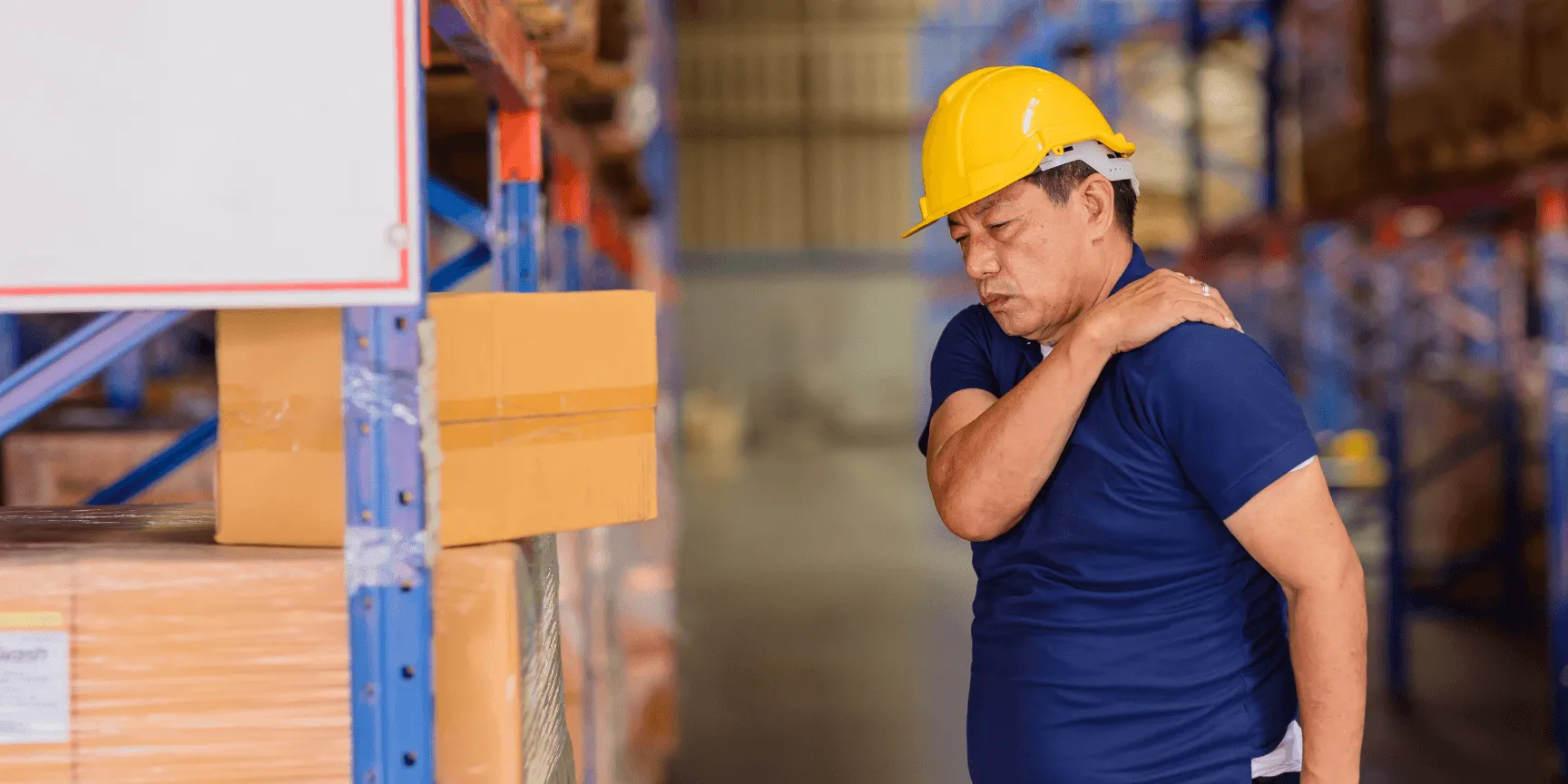
Lifting injuries are among the most common workplace injuries in Pennsylvania. Whether caused by a single heavy lift or repetitive physical strain over time, lifting injuries can lead to chronic pain, mobility problems, and long-term work restrictions.
At Stern & Cohen, we help injured Pennsylvania workers pursue workers’ compensation benefits for lifting injuries caused by workplace accidents and repetitive job duties.
Common Causes of Work-Related Lifting Injuries
Lifting injuries can happen suddenly or develop gradually from repetitive physical labor. These injuries are especially common in jobs involving heavy materials, awkward lifting positions, or repetitive movement.
Common causes of workplace lifting injuries include:
- Heavy lifting without assistance
- Repetitive lifting throughout the workday
- Twisting or bending while lifting
- Poor ergonomics or unsafe lifting techniques
- Warehouse and construction work
- Patient lifting in healthcare settings
- Delivery and freight handling injuries
- Repetitive strain from physical labor
Workers in warehousing, construction, healthcare, delivery, manufacturing, and transportation jobs may face an increased risk of serious lifting injuries.
Types of Lifting Injuries We Commonly See
Lifting injuries can affect the muscles, joints, spine, and nerves throughout the body.
Common work-related lifting injuries include:
- Lower back strains
- Herniated or bulging discs
- Shoulder injuries and rotator cuff tears
- Neck injuries
- Knee injuries
- Muscle and ligament strains
- Sciatica and nerve compression
- Chronic pain conditions
Symptoms may include:
- Back or neck pain
- Muscle weakness
- Numbness or tingling
- Limited mobility
- Difficulty lifting or bending
- Chronic pain and stiffness
These injuries can interfere with a worker’s ability to safely perform physical labor or return to work.
Repetitive Lifting and Long-Term Injuries
Not all lifting injuries happen in a single accident. Many workers develop chronic injuries over time from repetitive lifting, bending, carrying, and physically demanding work.
Even without one specific accident, workers may still qualify for workers’ compensation benefits if repetitive job duties caused the injury.
Medical Treatment and Workers’ Compensation for Lifting Injuries
Serious lifting injuries may require physical therapy, rehabilitation, injections, or surgery.
Pennsylvania workers’ compensation benefits may cover:
- Medical treatment and rehabilitation
- Surgery and hospital bills
- Ongoing medical care
- Wage-loss benefits during recovery
- Compensation related to permanent impairment in severe cases
Insurance companies sometimes attempt to blame lifting injuries on aging, prior injuries, or normal wear and tear. Our attorneys are experienced in handling contested workers’ compensation claims involving lifting and repetitive strain injuries.
Light Duty Work After a Lifting Injury
After a lifting injury, some workers may be released to return on light duty restrictions. These restrictions may limit lifting, bending, repetitive movement, or physical labor while the injury heals.
If appropriate modified work is unavailable, injured workers may still qualify for wage-loss benefits.
Workers’ Compensation Benefits and Settlements for Lifting Injuries
If you suffered a work-related lifting injury in Pennsylvania, you may be entitled to workers’ compensation benefits for medical treatment, rehabilitation, and lost wages during recovery.
Some lifting injury workers’ comp claims resolve through settlements based on factors such as the severity of the injury, surgery requirements, permanent work restrictions, ongoing medical treatment, and lost earning capacity.
Let Stern & Cohen Help With Your Lifting Injury Claim
At Stern & Cohen, we understand how painful and disruptive a serious lifting injury can be. Whether your injury resulted from a single lifting accident or repetitive physical strain over time, our experienced Pennsylvania workers’ compensation attorneys are ready to protect your rights and fight for the benefits you deserve.
If you suffered a lifting injury at work, contact Stern & Cohen today for a free consultation.