
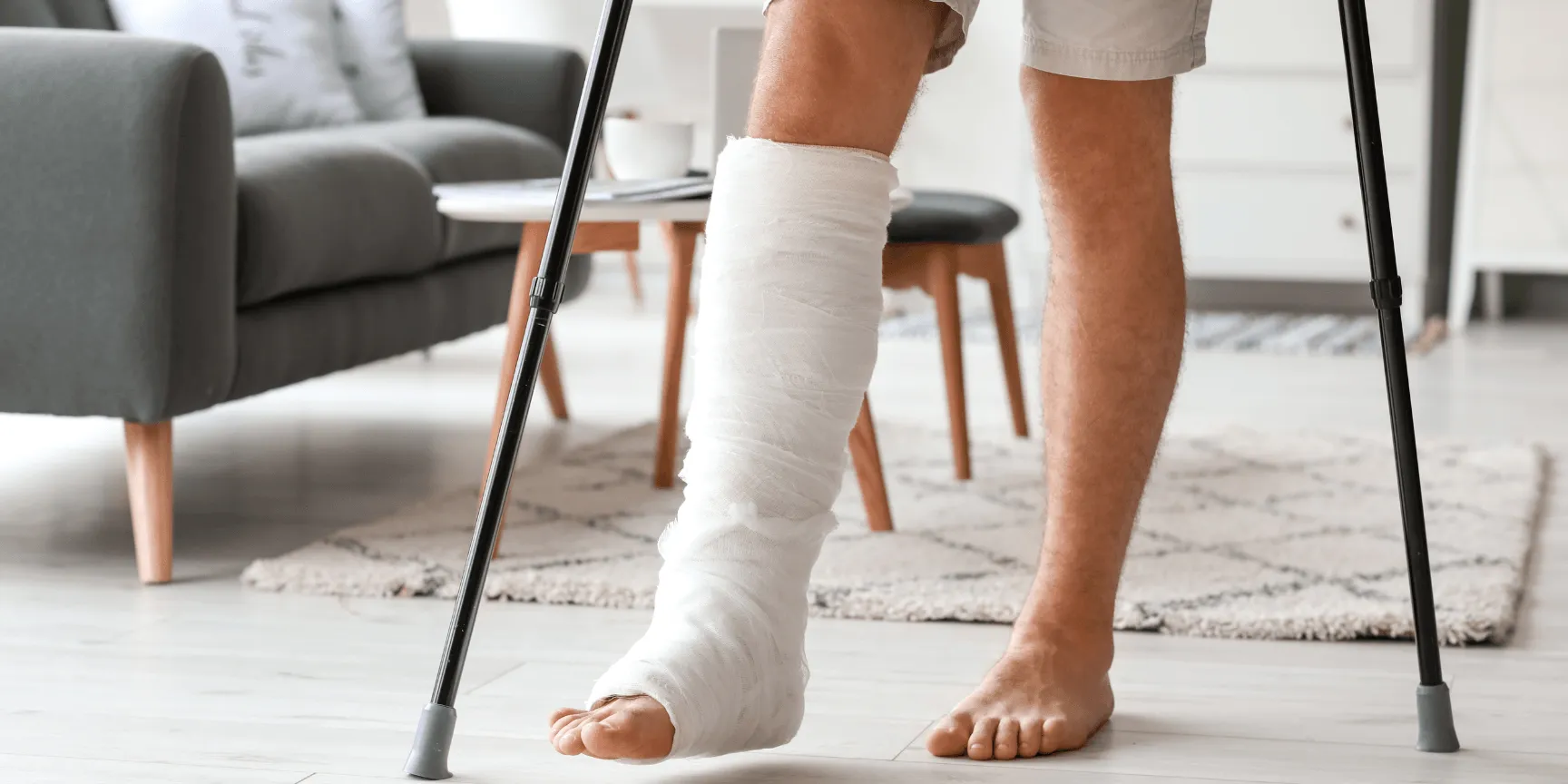
Broken bones and fractures are among the most common workplace injuries, but they can also be some of the most serious. Depending on the location and severity of the injury, workers may require surgery, physical therapy, long recovery periods, and time away from work. Severe fractures can lead to chronic pain, reduced mobility, and permanent physical limitations.
At Stern & Cohen, we help injured Pennsylvania workers pursue workers’ compensation benefits for fractures and broken bones caused by workplace accidents and repetitive job duties. If you are seeking workers’ comp benefits for a broken bone or fracture injury in Pennsylvania, our attorneys are ready to help.
Common Causes of Workplace Fractures and Broken Bones
Fractures can happen in nearly any work environment, especially in physically demanding or high-risk industries. These injuries often result from sudden trauma or impact accidents on the job.
Common causes of workplace fractures include:
- Slips, trips, and falls
- Falls from heights
- Construction accidents
- Vehicle and transportation accidents
- Heavy equipment accidents
- Falling objects
- Crush injuries
- Warehouse accidents
- Repetitive stress injuries
- Machinery-related accidents
Workers in construction, warehousing, healthcare, manufacturing, transportation, and delivery industries may face an increased risk of serious bone fractures.
Types of Fractures and Broken Bones We Commonly See
Certain fractures are especially common in workplace accidents and can significantly interfere with daily activities and job performance.
Wrist Fractures
Workers often suffer wrist fractures during falls or lifting accidents. These injuries can limit grip strength, lifting ability, and repetitive hand movement.
Ankle Fractures
Broken ankles frequently occur in slip and fall accidents, warehouse injuries, and construction accidents. Severe ankle fractures may require surgery and extensive rehabilitation.
Rib Fractures
Broken ribs can result from falls, crush injuries, or vehicle accidents while working. Rib fractures may cause severe pain and make breathing or physical movement difficult.
Orbital Bone Fractures
Orbital bone fractures involve damage around the eye socket and often occur in impact accidents involving tools, machinery, or falling objects. Serious cases may require surgical treatment and specialist care.
Surgical Fractures and Serious Bone Injuries
Some fractures require surgery to properly heal and restore function. Severe breaks may involve pins, plates, screws, rods, or other surgical hardware to stabilize the bone.
Surgical fracture treatment may include:
- Orthopedic surgery
- Internal fixation procedures
- Casting or immobilization
- Physical therapy
- Rehabilitation
- Pain management
- Follow-up imaging and treatment
Recovery from a serious fracture can take months and may involve ongoing work restrictions or permanent limitations.
Workers’ Compensation Benefits and Settlements for Broken Bones
If you suffered a work-related fracture or broken bone in Pennsylvania, you may be entitled to workers’ compensation benefits for medical treatment, surgery, rehabilitation, and lost wages during recovery.
Some broken bone workers’ comp claims resolve through settlements based on factors such as:
- Severity of the fracture
- Need for surgery
- Permanent impairment
- Ongoing medical treatment
- Lost earning capacity
- Long-term work restrictions
Workers’ compensation may apply whether the fracture resulted from a sudden accident, repetitive stress, or workplace trauma.
Let Stern & Cohen Help With Your Fracture Injury Claim
At Stern & Cohen, we understand how painful and disruptive a serious fracture or broken bone can be. Whether you suffered a broken wrist, ankle fracture, rib injury, orbital bone fracture, or another serious workplace injury, our experienced Pennsylvania workers’compensation attorneys are ready to protect your rights and fight for the benefits you deserve.
If you suffered a fracture or broken bone at work, contact Stern & Cohen today for a free consultation.